Electrical Wiring & Rewiring Services in Dillsburg, PA
Replacing outdated wiring with safe, modern systems built for today’s electrical demands and Pennsylvania’s climate.
If you live in a home built between the 1960s and 1980s in the Dillsburg area, chances are you’re dealing with aluminum wiring or deteriorating knob-and-tube systems that weren’t designed for today’s electrical loads. Aluminum wiring expands and contracts with temperature changes, which is especially problematic in Pennsylvania’s seasonal climate, leading to loose connections, heat buildup, and increased fire risk. Knob-and-tube wiring, common in even older homes, often has brittle insulation that crumbles over time, exposing bare conductors. When you add modern appliances, HVAC systems, and electronics to these outdated systems, you’re pushing circuits beyond their safe capacity.
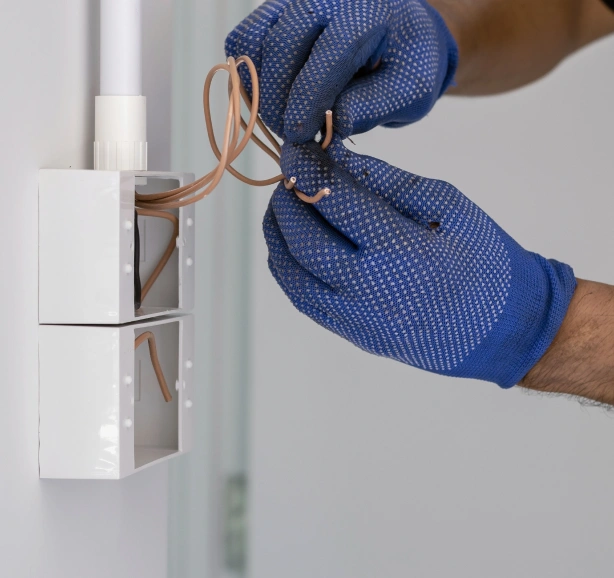
Rewiring your home starts with a thorough inspection of your existing electrical system. We identify hazardous materials, evaluate your current and future power needs, and map out a plan that brings your home up to current code without unnecessary disruption. The process includes safely disconnecting and removing outdated wiring, installing new copper conductors through walls and ceilings, adding circuits where needed to support modern loads, and integrating panel upgrades if your existing service can’t handle the new capacity. Every connection is tested, every circuit is verified, and all work is inspected to meet Pennsylvania electrical code requirements.
We bring 18 years of combined electrical experience and 35 years of engineering background to every rewiring project. As a family-owned business, we’ve worked extensively with aging infrastructure across York, Mechanicsburg, Camp Hill, and surrounding areas. We understand the quirks of older PA homes, the tight crawl spaces, the plaster walls, the mix of old and new construction, and we know how to navigate them without cutting corners. Our work is fully certified and insured, and we stand behind every installation. Whether you’re updating electrical in preparation for a home sale, adding a major appliance, or simply want the safety and peace of mind that comes with modern wiring, we’ll walk you through the process and deliver a system you can count on for decades.
When to Schedule a Wiring Assessment
Not every electrical problem is obvious, but many homes in the Dillsburg, Mechanicsburg, and Camp Hill areas built before 1980 show clear warning signs that wiring has reached the end of its safe life. Aluminum wiring and knob-and-tube systems weren’t designed to handle the electrical demands of modern households, from HVAC systems and kitchen appliances to home offices and EV chargers. Pennsylvania’s seasonal temperature swings make aluminum wiring especially problematic, causing repeated expansion and contraction that loosens connections and creates heat buildup. Even if your lights work most of the time, intermittent issues like flickering, outlets that stop working, or breakers that trip without explanation are red flags that your home’s wiring is failing.
Recognizing these signs early can prevent dangerous situations and give you time to plan a rewiring project before an emergency forces your hand. Here are the most common indicators we see in older homes across the region that signal it’s time to update your electrical system.
Warning Signs Your Home Needs Electrical Rewiring
- Frequent Breaker Trips Without Clear Cause: Indicates circuit overload, deteriorating connections, or a failing breaker that requires immediate inspection and possible rewiring.
- Flickering or Dimming Lights: Often caused by loose neutral connections or failing breakers, signaling wiring deterioration that can lead to heat buildup.
- Outlets That Stop Working: Dead outlets can result from damaged wiring, faulty connections, or circuit failure, all of which pose safety risks.
- Knob-and-Tube Wiring: Outdated material with brittle insulation that crumbles over time, exposing bare conductors and creating fire hazards.
- Aluminum Wiring from the 1960s-1970s: Prone to thermal expansion and loose connections, especially in Pennsylvania’s temperature fluctuations, increasing fire risk.
- Burning Smell or Scorched Outlets: Immediate red flag indicating overheating wiring or loose connections that can cause electrical fires.
- Two-Prong Outlets Throughout the Home: Sign of outdated wiring without proper grounding, increasing risk of shock and making it difficult to safely use modern appliances.
- Visible Corrosion or Frayed Wiring: Deteriorating insulation and corroded connections reduce safety and reliability, requiring replacement to meet current code.